






Replacement Hub - How Often Should You Replace Your Safety Equipment?
Do you know when to replace your safety equipment? It’s important to understand how long your safety equipment is designed to last and when you should be replacing your helmet, air vest, body protector or safety stirrups.
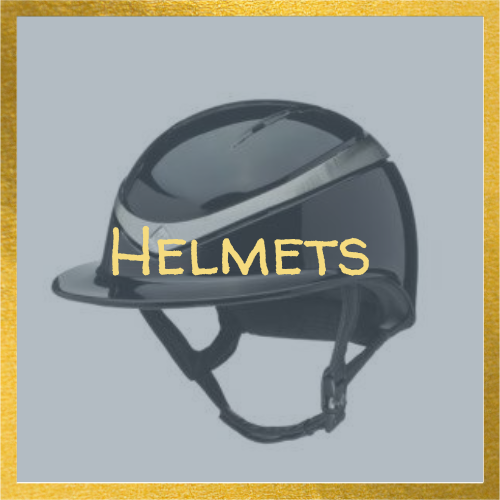
When and How Often Should You Replace Your Helmet?
- Immediately after any significant impact or fall, even if it looks undamaged.
- Every 3–5 years, depending on the manufacturer’s recommendation, use, and condition.
- If you ride multiple horses a day, most days of the week and/or you live in a hot and humid climate and sweat a lot, replace every 3 years.
- If you ride 1-2 horses a few times a week, you may be closer to a 5 year timeline
- Sooner if it has cracks, dents, loose or damaged straps, degraded padding, or no longer fits securely.
- Always follow the helmet manufacturer’s replacement guidance.
All reputable helmet manufacturers have a crash replacement policy which offers a discounted helmet purchase if the helmet is involved in a fall within their specified timeline.
When and How Often Should You Replace Your Body Protector?
- Every 3–5 years, as the foam and materials can deteriorate with use, sweat, heat, and storage conditions.
- Immediately if it is cracked, compressed, torn, misshapen, or no longer fits correctly.
- Always follow the manufacturer’s specific replacement interval and care instructions.
When and How Often Should You Replace Your Air Vest?
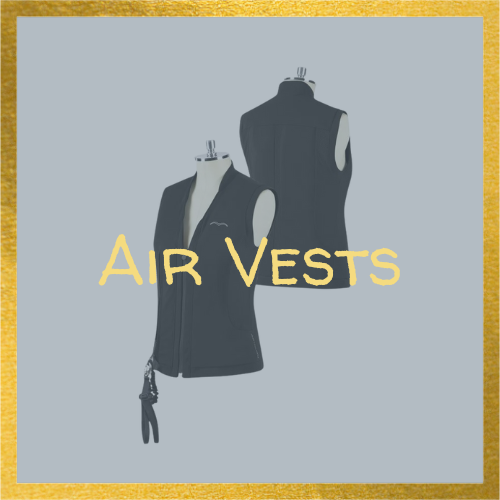
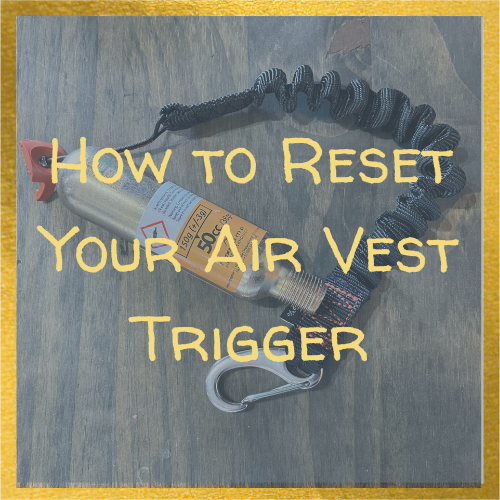
After an equestrian air vest deploys, do not automatically replace the entire vest. Reset the trigger and replace the single-use CO₂ cartridge, inspect the vest for tears or other damage, and have it professionally serviced after a significant fall or if anything looks abnormal.  
Typical manufacturer servicing guidance varies by model. Some brands specify a different service interval, so the vest’s manual takes priority.
Replace the complete vest if it has tears, damaged seams, failed inspection, malfunctioned, or the manufacturer says it is beyond its service life. A deployment by itself generally means cartridge replacement and inspection, not automatic vest replacement. Malfunctions under warranty should be reported to the manufacturer for evaluation, repair, or replacement.
Useful life of an air vest is generally 3-5 years depending on frequency of use, storage conditions, and biological factors such as sweat.
If you have not deployed your air vest in a year, it is recommended to do a test deployment to ensure it’s working properly.
When and How Often Should You Replace CO₂ Canisters?
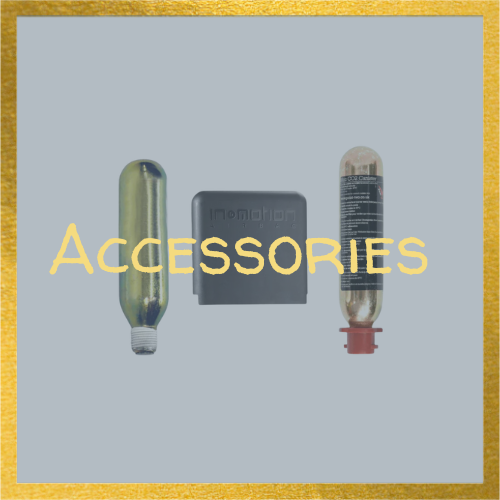
Compressed CO₂ Canisters can last indefinitely when stored in ambient temperatures between 32°-100°.
It is recommended to weigh your unused gas canisters on a kitchen scale annually. Each canister has a weight with a tolerance level printed on it.
When and How Often Should You Replace Safety Stirrups?
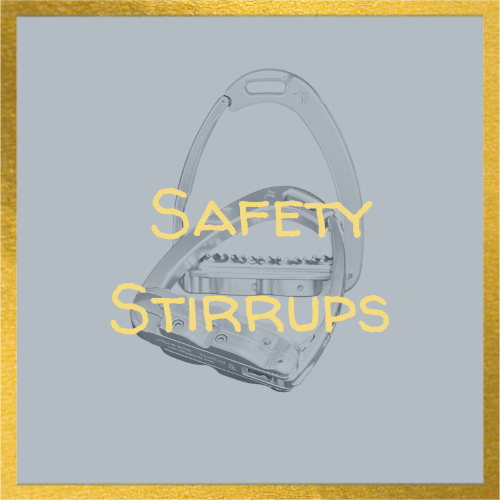
Replace or professionally inspect safety stirrups after any fall if they struck the ground, a jump, or the arena rail. There is no universal replacement interval; follow the specific manufacturer’s instructions and replace immediately if function or structural integrity is uncertain.  
Before the next ride:
- Check for cracks, bending, deformation, corrosion, loose joints, damaged attachment points, or worn/slippery tread.
- Operate the release mechanism by hand; it should move smoothly and return fully to its normal position.
- For peacock stirrups, replace cracked, stretched, or deteriorated rubber bands immediately. Some guidance recommends replacing them about every 6–12 months, depending on use. 
- Do not tape, modify, or improvise repairs to a safety-critical release mechanism.
- Replace the entire stirrup if it does not release correctly, has visible damage, or has contacted a hard obstacle during the fall.
Stirrups generally do not have a fixed “replace every X years” rule.
Condition, use, material, and the manufacturer’s instructions determine service life; inspect them before every ride and after falls or impacts. Please note that that stirrups with shock absorbing technology will have a maximum number of shocks before replacement is recommended. Follow the manufacturer’s recommended replacement guidelines.