



Children’s Safety Equipment: Air Vest or Body Protector? When?
With the adoption of air vests and body protectors gaining traction in the hunter, jumper, equitation, and dressage disciplines, we are also seeing a market increase in the demand for this equipment from parents for their children.
Many parents first inquire about an air vest because of the neck and spine protection that an air vest offers. However, the reality is that the majority of injuries that we see in children are to the extremities - arms, wrists, ankles, etc. It’s less frequent to see catastrophic spinal injuries in children because they typically aren’t participating in as high risk activities (in the grand scheme of things), they are often riding shorter animals (shorter distance to fall), and they are just more flexible than adults.
We encourage parents to select the product type most appropriate for their child. A BETA Level 3 body protector is always a good idea. While parents like the idea of an air vest providing neck and spine protection, the reality is that fitting a child for an air vest can present some unique challenges.
- Air vests have a minimum weight requirement. These weights are important because this equates to the amount of force necessary to activate the trigger to inflate the vest. If a child does not meet the minimum weight, then there's a risk of being dragged.
- For most adult vests, it's 77 lbs.
- At this point, most manufacturers offer children’s models and the majority of them have an 55 lb weight minimum.
- Equiline makes children’s models with even lower weight minimums.
- Width and length. Even if a child meets the minimum weight requirement, their measurements are important. A vest must fit correctly to ensure that the air chambers are appropriately placed during inflation. If the vest is too big, the air chambers have a risk of shifting.
- Size of the horse or pony. Many child sized vests have shorter lanyards, ensuring a quick triggering speed to ensure that the vest is fully inflated before the rider reaches the ground. If the child is taller and riding a smaller pony for example, this needs to be taken into consideration to ensure the vest has the time necessary to fully inflate.
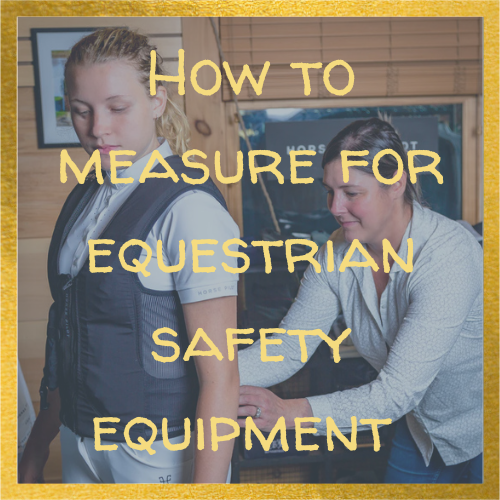
A couple of things to look for to ensure proper fit of an air vest for a child:
- The vest should be snug against the body. It should not be tight and the elastic should not be significantly stretched.If the vest is too tight, when it deploys it will be uncomfortable. The sweet spot is that the canister should not be tipping away from the torso (which presents it's own risks) and the vest should not be shifting around or loose, but that there is enough room for the mesh to stretch to accommodate a couple of layers for warmth during colder weather.
- The vest should cover at least the top of the tailbone, but should not be so long that the child is sitting on it or that it's significantly bunching at the back.
- Pinpoint impact protection from being kicked, stepped on, or landing on a fence rail
- Does not require a child to remember to clip and unclip onto the saddle strap when mounting and dismounting
- No ongoing cost of replacing canisters
- No need to reset anything after a fall
- Lower cost of entry (body protectors are less expensive to purchase)
- Ability to sell and recoup costs when the child outgrows it
The decision to graduate a child from an air vest to a body protector should be based on the following factors:
- Size and weight of the child
- Size of the horse or pony
- Maturity of child to remember to clip and unclip
- Difficulty level of riding activities
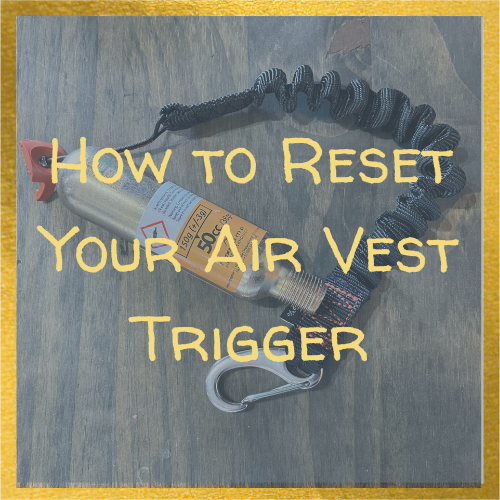
- Presence of adults during riding sessions to reset the trigger if the child activates the vest
You can learn more about each of these product types in our Buyer’s Guides.
Our goal is to help you keep your child safe and protected by exploring all of the appropriate options so that you can make the best decision for your child. Contact us to schedule a free consultation.